
What is an MPPT Charge Controller? Complete Guide (2026)
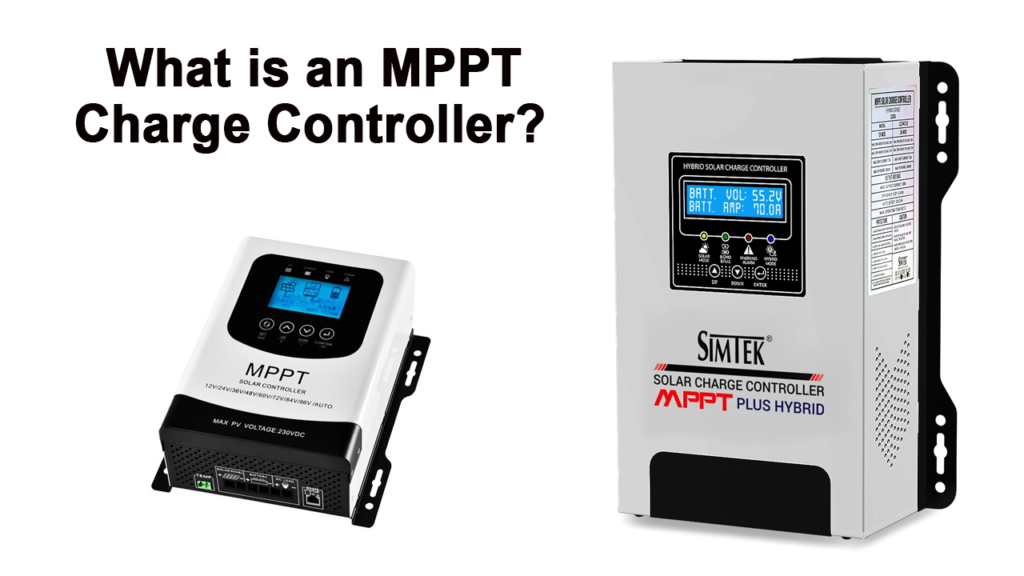
If you are using a solar system or planning to install one, understanding an MPPT charge controller is very important. It plays a key role in improving the efficiency and performance of your solar setup.
In this complete guide, we will explain:
- What is an MPPT charge controller
- How it works
- What size you need
- Its uses
- A simple MPPT calculator guide
What is an MPPT Charge Controller?
An MPPT (Maximum Power Point Tracking) charge controller is an advanced electronic device used in solar systems to maximize the energy output from solar panels and efficiently charge batteries.
It continuously tracks the maximum power point of a solar panel and adjusts voltage and current to extract the highest possible power.
👉 In simple words:
It makes your solar system more efficient and faster at charging batteries.
How Does an MPPT Charge Controller Work?
Solar panels produce varying voltage depending on sunlight. However, batteries need a stable and specific voltage.
An MPPT controller solves this by:
- Tracking Maximum Power Point
It finds the best voltage where the panel produces maximum power. - Voltage Conversion
It converts high panel voltage into usable battery voltage. - Current Boosting
When voltage is reduced, current increases — giving more charging power.
Example:
- Solar panel output: 40V
- Battery requirement: 12V
- MPPT converts 40V → 12V and increases current
👉 Result: Up to 30–40% more efficiency than normal controllers.
What is an MPPT Charge Controller Used For?
MPPT charge controllers are widely used in:
- Solar home systems
- Hybrid solar setups
- Solar water pumping systems
- Off-grid solar installations
- Solar power backup systems
👉 They are especially useful where:
- Sunlight varies
- Panels produce high voltage
- Efficiency is important
What Size MPPT Charge Controller Do I Need?
Choosing the right size depends on your solar panel system.
Step-by-Step Calculation:
Formula:
Controller Size (Amps) = Total Solar Watts ÷ Battery Voltage
Example:
- Solar Panels = 1000W
- Battery System = 12V
1000 ÷ 12 = 83A
👉 You should choose at least a 100A MPPT controller for safety.
Quick Size Guide:
| Solar System | Battery Voltage | MPPT Size |
|---|---|---|
| 500W | 12V | 40A–50A |
| 1000W | 12V | 80A–100A |
| 2000W | 24V | 80A–100A |
| 3000W | 48V | 60A–80A |
MPPT Charge Controller Calculator (Simple Method)
You can calculate easily:
- Add total watts of all solar panels
- Divide by battery voltage
- Add 20–25% safety margin
👉 Example:
1500W ÷ 24V = 62.5A
+ 25% margin = ~80A controller
Advantages of MPPT Charge Controller
- Higher efficiency (up to 40% more)
- Faster battery charging
- Supports high voltage panels
- Better performance in cloudy weather
- Longer battery life
MPPT vs PWM Charge Controller
| Feature | MPPT | PWM |
|---|---|---|
| Efficiency | High | Low |
| Cost | Expensive | Cheap |
| Performance | Best | Basic |
| Power Output | Maximum | Limited |
👉 MPPT is best for professional and large solar systems.
Final Thoughts
An MPPT charge controller is an essential component for anyone serious about solar energy. It ensures:
- Maximum power utilization
- Better battery performance
- Long-term savings
If you want high efficiency and better output, MPPT is always the best choice.