
Measuring Tools for Length: A Complete Guide
Length is one of the most basic measurements in daily life, construction, science, and engineering. But do you know which tools are used to measure length accurately? In this guide, we will cover all measuring tools, their uses, types, and tips for accurate measurement.
What Tool Do You Use to Measure Length?
There are several tools used to measure length, depending on the accuracy required and the type of object being measured. Length measurement can range from millimeters in engineering to kilometers in surveying.
Some common measuring tools for length include:
- Ruler – Ideal for small objects, school, or office use.
- Tape Measure – Flexible measuring tool for clothing, rooms, and construction.
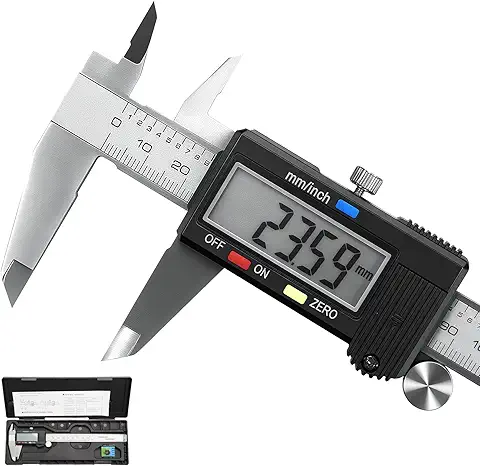
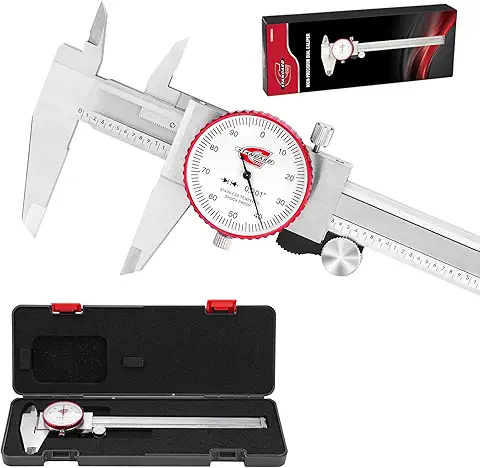
- Vernier Caliper – Used for precise measurements in mechanical and engineering tasks.
- Micrometer – Extremely precise tool used in mechanical engineering and machining.
- Measuring Wheel – Used for measuring long distances like roads, fields, and terrains.
- Laser Distance Meter – Modern electronic device to measure long distances accurately.
Tools Used to Measure Length – Detailed List
1. Ruler
- Description: A flat strip marked with centimeters and inches.
- Uses: Drawing, school, and office measurements.
- Accuracy: Usually up to 1 mm.
- Tip: Ideal for quick measurements on small objects.
2. Tape Measure
- Description: Flexible steel or cloth tape marked with units.
- Uses: Construction, tailoring, and home DIY projects.
- Accuracy: Usually up to 1 mm for shorter distances.
- Tip: Always keep the tape straight for accurate results.
3. Vernier Caliper
- Description: A tool with a main scale and sliding vernier scale.
- Uses: Mechanical and engineering applications for internal and external measurements.
- Accuracy: Up to 0.02 mm.
- Tip: Ensure the jaws are clean and aligned for precise reading.
4. Micrometer
- Description: A screw-based measuring tool for tiny objects.
- Uses: Engineering, manufacturing, and mechanical parts measurement.
- Accuracy: Up to 0.01 mm.
- Tip: Avoid applying excessive force; it can affect accuracy.
5. Measuring Wheel
- Description: Wheel that rolls along a surface to measure distance.
- Uses: Surveying land, roads, and gardens.
- Accuracy: Varies; usually accurate for long distances.
- Tip: Roll on flat surfaces for the best results.
6. Laser Distance Meter
- Description: Electronic device that uses laser to measure distance.
- Uses: Construction, architecture, and interior design.
- Accuracy: Can measure up to 0.5 mm in short distances.
- Tip: Always measure perpendicular to surfaces for precision.
Types of Measuring Tools
Measuring tools for length can be divided into:
- Manual Tools: Ruler, Tape Measure, Vernier Caliper, Micrometer.
- Electronic Tools: Laser Distance Meter, Digital Caliper.
- Long-Distance Tools: Measuring Wheel, Surveyor’s Chain.
How to Use Measuring Tools Correctly
- Ruler & Tape: Keep them straight and aligned with the edge.
- Vernier Caliper & Micrometer: Clean surfaces and measure at eye level.
- Measuring Wheel: Walk slowly and keep consistent pressure.
- Laser Meter: Avoid reflective surfaces and measure perpendicular to the object.
5 Best Measuring Tools for Length
If you want accuracy and versatility, these 5 tools are most recommended:
- Steel Tape Measure – Versatile and durable.
- Vernier Caliper – Precision for mechanical work.
- Micrometer – Extremely accurate for tiny objects.
- Laser Distance Meter – Quick and modern solution.
- Ruler – Simple and easy for everyday tasks.
Why Accurate Length Measurement is Important
- Construction: Ensure walls, doors, and floors are correct size.
- Engineering: Parts must fit perfectly to function.
- Education: Teaches precise measurement skills.
- Daily Life: From tailoring to furniture, accuracy matters.
Conclusion
Measuring tools are essential in almost every field. Whether you are a student, engineer, construction worker, or DIY enthusiast, using the right tool for length measurement ensures accuracy and efficiency. From rulers to laser distance meters, every tool has its own unique purpose.
Always choose the tool based on distance, precision, and object type to get the best results.